
Who Really Profits From the AI Infrastructure Boom?
Thursday, November 26, 2026 · john hopkins

During their recent episode of the Value Options Podcast, Travis and Carlisle discussed Who Really Profits From the AI Infrastructure Boom?. Here's an excerpt from the episode:
And initially it's this infrastructure layer. And so the infrastructure layer is going to be data centres, chips, power, all of the physical stuff that helps us sort of run the computers. And you want to be careful because that's the very end of the bullwhip, but that sort of moves the most, but the money flows towards it.
We do eventually solve whatever that problem. It could take a decade. That's not to say it happens really quickly.
It could take a long period of time. And then you have to look at the builder layer on top of that. And so these are things, and then there's a consumer layer on top of that.
And it ends up, the consumers tend to collect most of the value. And the example, the really great example in the book is, in the white paper is light. So it took, I looked at like in the 1800s, how long you had to work to get some light.
And it was like a candle and you had to work five hours to afford a candle, the average wage. And now the average wage, the average wage, or the median wage, whatever the lower estimate is, you work like half a minute to turn all the lights on in your house. Like it's just, or five seconds for the, so the cost of light has come down.
And I think that intelligence will do the same thing to the, or we're going to do the same thing to intelligence. There's no reason why it won't cost more than the cost of electricity, the chips and all the infrastructure it's going to be built on, it'll drive towards that cost. And so in valuing this stuff, I couldn't agree more.
The question of whether something is going to be useful and impactful is entirely different from whether you can make money investing in it. And you need the same things you've always needed, which is competitive advantage, a discount to the, a wide enough margin of safety so you don't get blown up. And then sort of some scepticism too, about the growth rates.
Because I think that when you see those exponential growth rates, it's easy to get carried away with where you're going to be in the future. It's hard to build a model out that truly encapsulates the most likely or the median outcome there, because you get that top line bending up like that all the time. It sort of starts looking, it pulls everything up.
So you need some scepticism too, in those valuations. Like you, I look at Nvidia and I look at the amount that it earns on its assets is kind of extraordinary.
📈 Want to see how value investors Tobias Carlisle and Tim Travis use options trades?
See the actual cash-secured put and covered call trades Tobias Carlisle and Tim Travis send subscribers — with ongoing recommendations as positions develop through the Wheel strategy.
👉 Start your 7-day free trial.
Link in my channel profile or use the link below.
👉 https://valueoptionsletter.com/a/acquirers-multiple
Disclosure: This is an affiliate link. If you subscribe, I may earn a commission at no additional cost to you.
Educational content only. Not financial advice.
#optionstrading #valueinvesting #sellingputs #cashsecuredputs #coveredcalls #stockmarket #investing
 Are We Approaching a Breakthrough in Artificial Intelligence?
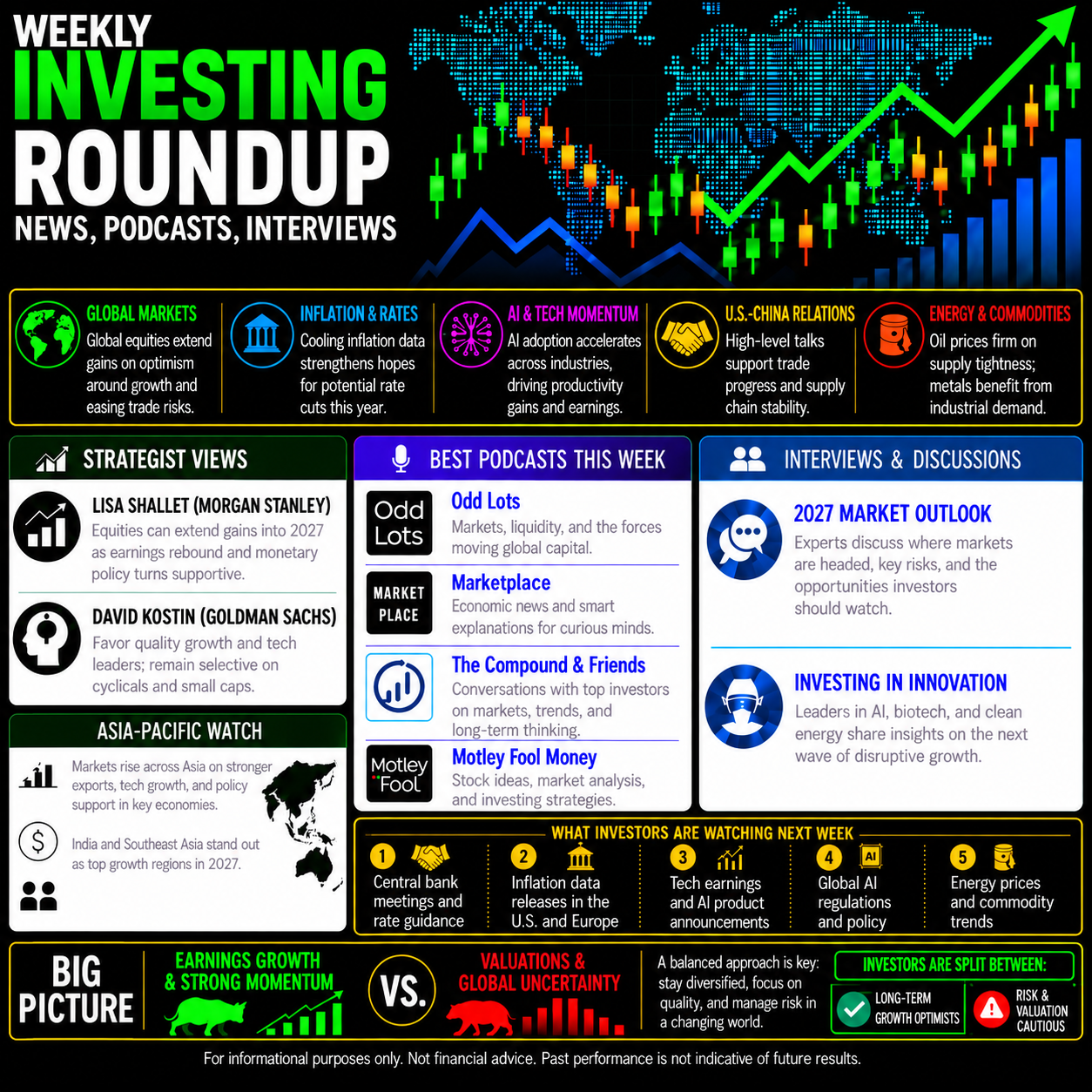 Weekly Investing Roundup – News, Podcasts, Interviews (11/27/2026)
 Nvidia's AI Financing Risks: Could Data Centre Overinvestment Trigger a Downturn?