
AI Stock Market Bubble: Why Dan Rasmussen Warns of a Major Correction
Monday, November 23, 2026

During their recent episode, Taylor, Carlisle, and Dan Rasmussen discussed AI Stock Market Bubble: Why Dan Rasmussen Warns of a Major Correction. Here's an excerpt from the episode:
[Dan]
I sort of think that's sort of like a psyop. It's like, let's warn people that the AI- That's anthropic psyop.
[Tobias]
That's their propaganda.
[Dan]
It's going to kill you all. And you're like, well, if it could kill us all, it's probably really profitable. But no, I think it's about the equity valuations.
Because with growth stocks, you need a lot of growth and you need it fast. And I just don't see that materialising as fast as people expect it to. Because again, I think the real world use cases of AI are not yet working that well.
[Tobias]
Do you think that- It's been an unusual sort of- This is a topic that I've kind of revisited ad nauseum on the podcast. But it's been an unusual decade that has largely defied what the preceding hundred years did. And one of the clearest examples of that that I always give is the market capitalisation-weighted SPY that everybody's more familiar with, float-adjusted market capitalisation-weighted, relative to the equal weight version of it, which favours smaller companies.
So it's like a proxy for small versus large. Or you could think of OEF, which is the largest 100 versus the 500. So in this instance, the 500 is the small and the 100 is the large.
So you're using the same 500, but in two different ways. In one way, it's the large. In one way, it's the small.
And then if you track those two series against each other, there are these very clear peaks around technological booms, 2000 being a very clear peak. And then we're in this current one now. And there was this very clear peak, I thought, in 2020, when we were going through that meme stock mania, that sort of reverse course.
And then that now, from the lofty peaks that we've ascended to now, that's sort of a little foothill, really. And I just wonder whether it's that more than anything else that has sort of driven, everything else downstream of that has sort of suffered as a result, equal weight, values, small, cyclicals. How do you see that?
[Dan]
Right. I mean, it makes me think of that old quote about the wings of the butterfly that flap and change history because the wind blows, or World War I starting because somebody assassinated Archduke Ferdinand.
[Tobias]
Right.
[Dan]
And you think about how these tiny human things just affect the course of humanity. And you wonder if Jensen Huang's love affair with a Chinese spy might not be the thing that reversed a half decade of pain for the small cap sector value premium. But I think that's exactly the right thing to think about.
And it's happened all up the cap range. I mean, if you look at small versus large, large versus very large, micro versus small, the smaller the stock, the worse it's done. And the larger the stock, the better it's done.
And it's the sort of most brilliant thing you could have done 15, 20 years ago is just say, hey, I want to overweight the largest stocks. But no historical evidence suggested that that was a good idea.
[Tobias]
Right.
[Dan]
And so I think one of the reasons that those things were foothills relative to what's going on with the AI thing is in some sense like humans are pattern recognising, like we update based on what we've experienced. And I think we look at, you know, you look at the SAS boom and, you know, we look at these previous tech things. And basically the growth tech people have just been right.
They've just been right. Like every new technology they've been right about, like it really did become super profitable and really big. And it did turn out to have a huge TAM.
And it did turn out to be very scalable at high margins. And so when they come in and say, trust us on AI, you're sort of like, well, you were right about the last three. I mean, everybody except Mark Zuckerberg.
Like, that's the funny, he's like the only exception where like, he was like the metaverse is next. And then like, yeah, it just didn't work. But everything else they've kind of been right about.
And I think that's why they have so much credibility now to go burn hundreds of billions of dollars on data centres and build this new massive AI infrastructure. But again, you know, I don't think that just because recent experience suggests something, I'm just not sure that the right forecast is that this is going to work the way that those previous things work. And certainly the capital intensity of it is much different.
Like SAS didn't require you to spend hundreds of billions of dollars on compute and inference. It was much more asset light. And now, you know, the big tech companies are more capital intensive than industrials.
And I think that's what's changed too, where there's sort of a law of CapEx, where high amounts of CapEx spend produce low future returns because people always overbuild and overestimate demand. And I think that cyclical CapEx cycle math is what's going to really dam these companies.
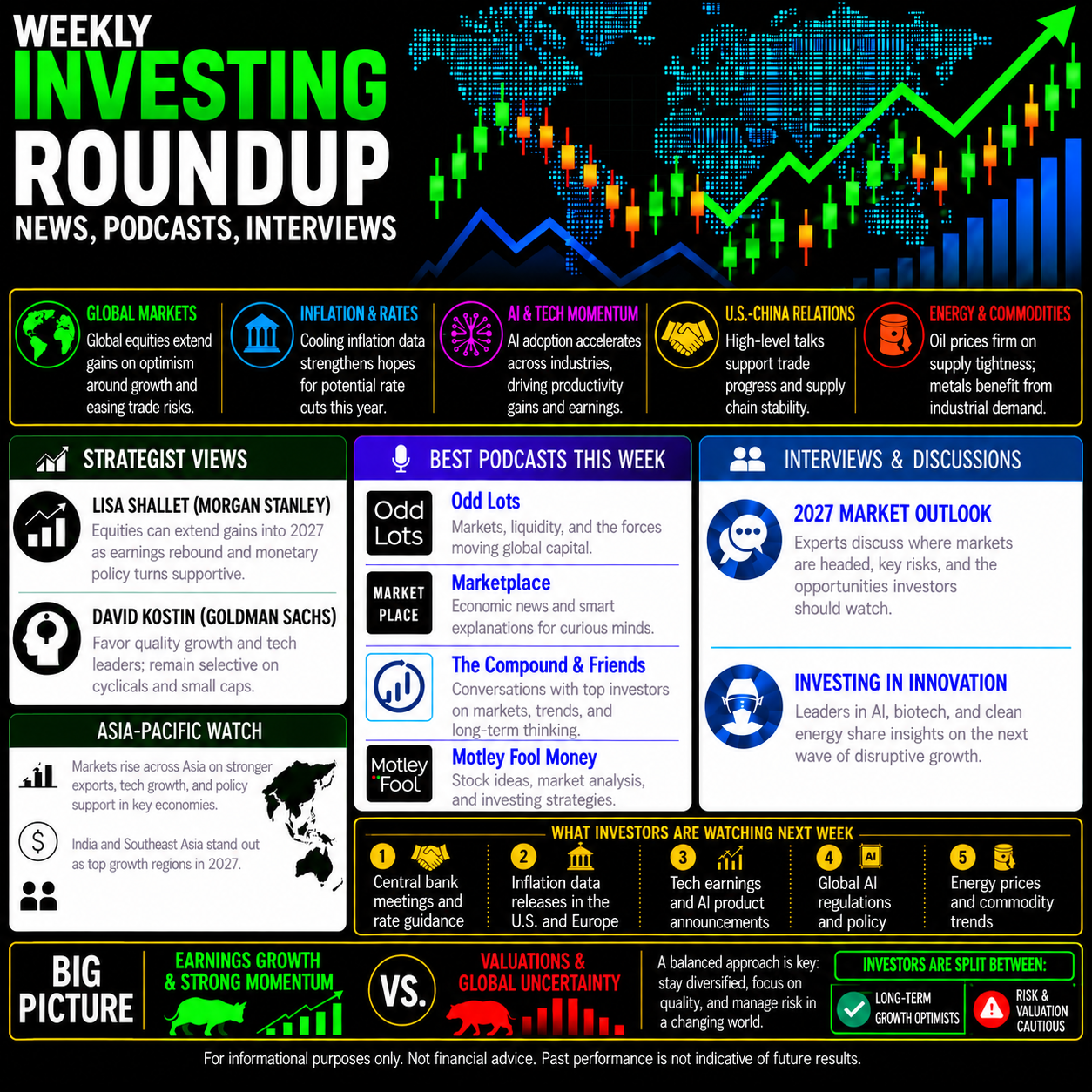 Weekly Investing Roundup – News, Podcasts, Interviews (11/20/2026)
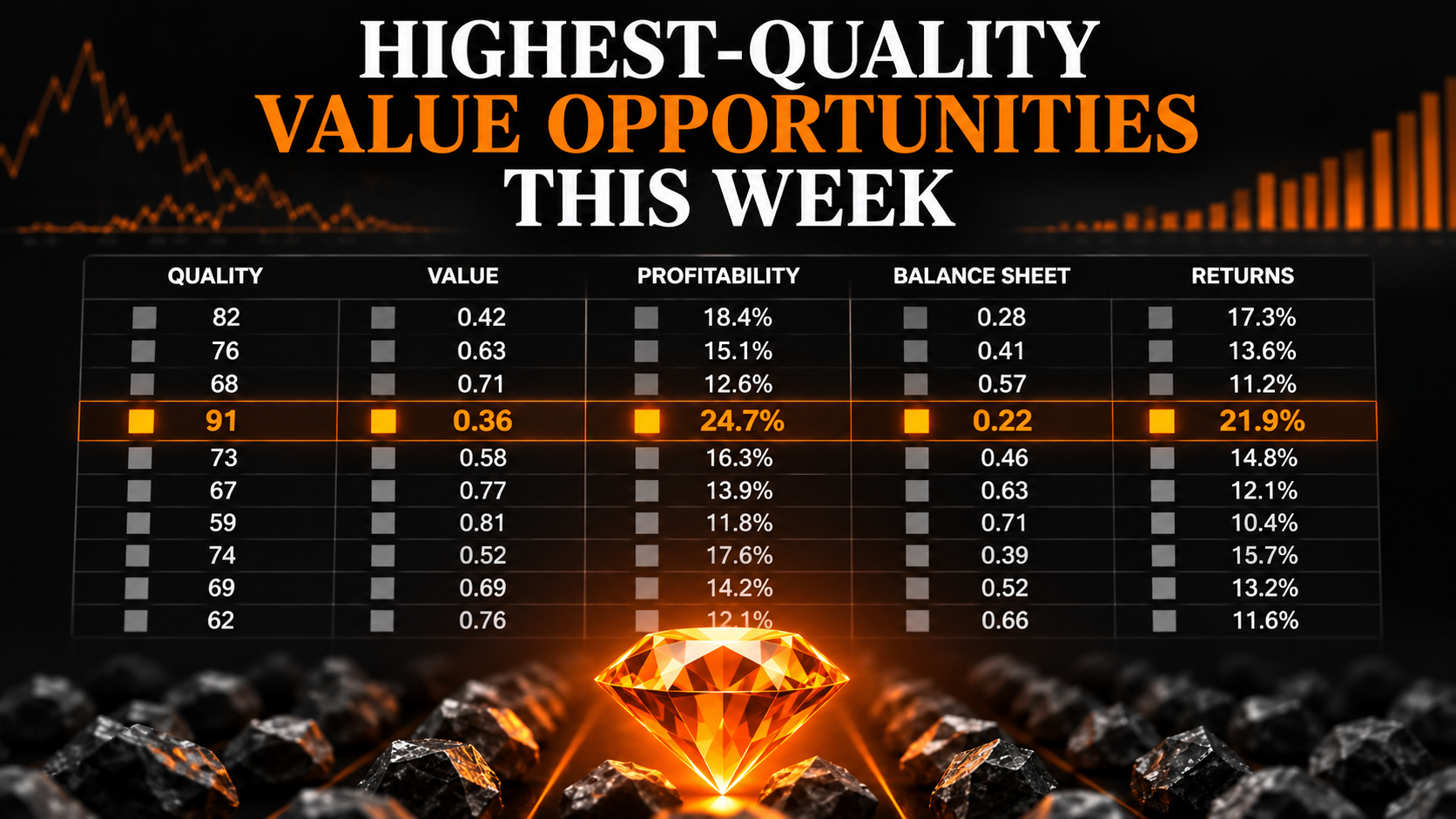 Where Are the Highest-Quality Value Opportunities This Week?
 Could Nvidia, AMD and Google Trigger a Chip Price War?